Pests on autoflowering cannabis present a particular kind of pressure. The plants live fast and finish fast, so a single infestation that would be tolerable on a multi-month photoperiod crop can wreck an autoflower in a couple of weeks. Growers who understand how pests behave, how to detect them early, and which responses preserve yield and flavor will recover from problems faster and lose fewer plants.
Why pests matter here Autoflowering varieties go from seed to harvest in roughly 8 to 12 weeks. That compressed schedule leaves little margin for corrective action. Unlike slower strains where vegetative recovery buys time, autoflowers respond poorly to major stress late in flower. Decisions that are safe for a month-long veg cycle become risky when the plant has two to three weeks of bloom left. That reality should shape detection thresholds, choice of products, and timing of interventions.
Spotting problems early
Early detection changes outcomes. A handful of stressed leaves or a few crawling Find more information insects can escalate into total canopy loss inside a week if environmental conditions favor pest reproduction. Inspect plants every time you water or feed, and establish a quick visual routine: look under the largest fan leaves, check the newest shoot tips, and peer along colas where pests often feed or lay eggs. Carry a 10x loupe for close inspection. Learn the signs that precede visible insects: stippling, tiny white dots on leaves, silvering, sticky residue on leaves, malformed new growth, and slow bud development.
Sticky tape and white paper are simple diagnostics. Press a piece of clear tape against the underside of a suspect leaf and examine it against a white surface. The tape will capture mites, thrips, and tiny aphids. If you find motile specks, you have actionable proof and you should move faster than normal.
Common culprits and how they behave
Some pests show up more often in indoor grows, others outdoors. These five appear with high frequency on cannabis and require distinct responses.
Spider mites. Microscopic, fast-breeding, and fond of warm, dry air. They cause fine stippling, webbing on dense buds, and rapid leaf bronzing if unchecked. A single female can lay dozens of eggs per day under optimal conditions. Fungus gnats. Their adults look like tiny flies; larvae feed on root hairs and can stunt seedlings or young plants. Overwatering and rich, compact mediums invite outbreaks. Thrips. Slender, fast-moving insects that scrape leaf tissue and leave silvery streaks. They can vector plant viruses in addition to direct feeding damage. Aphids. Soft-bodied, often found clustered on new growth and undersides of leaves, producing honeydew that fosters mold and attracts ants. Whiteflies. Small, white, moth-like insects that fly up in clouds when disturbed, leaving sooty mold behind from honeydew deposits.Each pest has a reproductive tempo that matters. Spider mites and thrips can produce multiple generations in a couple of weeks under warm, dry conditions. Fungus gnat larvae survive in soil even if adults are controlled. Treating without regard for life cycles cannabis will bring temporary relief followed by a rebound.
Integrated pest management tailored to autoflowers
Treat pests on autoflowering cannabis within an integrated pest management framework that prioritizes detection, cultural controls, mechanical removal, biological options, and finally chemical controls. Because the crop is short, weight the trade-offs of each step. Aggressive chemical control can reduce insects quickly but might leave residues that affect flavor or complicate late-stage flushing. Biological control agents work slowly and may not suppress a fast-breeding infestation before harvest.
Start with cultural controls. Manage humidity and airflow to reduce spider mite pressure, avoid overwatering to cut fungus gnat reproduction, and keep a strict cleanliness routine. Quarantine new plants for at least 7 days; that is a practical window to spot visible pests and avoid introducing eggs or adults into the tent.
Mechanical removal and targeted interventions
For small outbreaks, physical tactics often work best and leave no residues. Hand-remove heavily infested leaves and dispose of them away from the grow area. Blast undersides of leaves with a focused stream of water for spider mite and thrips control, but be cautious: excessive foliar wetting during bloom can increase bud rot risk. Use a soft brush to dislodge clusters of aphids and whiteflies from shoots.
Sticky traps catch adult fungus gnats and whiteflies, reducing breeding pressure. Place yellow sticky boards at canopy height and replace them weekly. For root-feeding larvae, allow the medium to dry between waterings for several cycles, and consider applying a biological larvicide containing Bacillus thuringiensis israelensis when appropriate.
Biological controls and their limits
Biocontrols are valuable, but they come with timing constraints that matter for autoflowers. Predatory mites such as Phytoseiulus persimilis and Neoseiulus californicus consume spider mites effectively but require stable environments and time to establish. Predatory nematodes can reduce fungus gnat and root-feeding grub populations; they are generally safe around plants and do not leave chemical residues. Lacewings and minute pirate bugs feed on thrips and aphids but may not achieve complete suppression in heavy infestations.
Because autoflowers progress quickly, introduce biologicals preventively or at the first sign of trouble rather than as a last-ditch measure. If an infestation is already severe and the plant has two weeks or fewer to go, biologicals may be insufficient on their own.
Chemical and botanical options, with timing considerations
When other tactics fall short, select products with an eye toward residue persistence, plant stress, and legal restrictions in your jurisdiction. Botanical options such as neem oil, potassium soap, and pyrethrin-based sprays generally break down faster than synthetic systemic insecticides and are safer to use close to harvest with proper timing. Neem is useful against a range of soft-bodied insects and has some repellent properties, but it can slow terpene expression if applied heavy and late in flower.
Insecticidal soaps and horticultural oils work by suffocating soft-bodied pests on contact. They require thorough coverage, especially under leaves. Avoid using soaps in direct high-intensity light or when temperatures exceed 85 F, because burns can occur. Always test on a single leaf before blanket spraying, particularly in late flowering when bud aromatics and resin production are sensitive.
Systemic insecticides should be a last resort for autoflowers. Many systemics are labeled for longer residual action, which helps control sucking insects but can lead to detectable residues in flowers. If you consider a systemic, read label restrictions about days to harvest, and factor in that autoflowers may be harvested earlier than multi-month plants for which labels were written.
Practical timing rules for sprays and treatments
Timing matters more with autoflowers than with photoperiod strains. Avoid foliar sprays within 7 to 14 days of harvest unless the product label specifies otherwise. When flowering is well underway and you must treat, prefer contact treatments applied at night or in low light, thorough rinsing if allowed, and minimal repeated applications.
For most contact products, perform a single treatment and follow up with non-chemical measures such as sticky traps and increased airflow. Repeated foliar spraying damages trichomes and can wash away terpenes, affecting final quality. If a second application becomes necessary, choose a different mode of action or switch from topical to targeted mechanical measures.
Case studies from the tent
A late spider mite outbreak taught one grower a hard lesson. The grower noticed stippling on week 5 and hesitated because plants still had 4 weeks to finish. By week 6 the entire canopy showed webbing. They applied a pyrethrin spray aggressively and cleared webbed leaves, but because the infestation had already damaged so much leaf area, yields dropped by more than 30 percent and trichome quality suffered. The lesson: act at the first sign and combine a contact spray with predator mites introduced two days later to pick off survivors.
Another grower had a recurring fungus gnat problem in a compact coco mix. They switched to a coarser, faster-draining medium, reduced water frequency, and applied beneficial nematodes to the root zone. Adult numbers dropped by roughly 80 percent within two weeks, seedling vigor returned, and no chemical insecticide was required.
Diagnosing less obvious issues

Not every symptom that looks like pest damage is insect-related. Nutrient lockouts, heat stress, light burn, and pH swings produce patterns that can mimic insect feeding. Spider mite stippling can look similar to calcium deficiency on close inspection. When you see damage, inspect for insects and eggs first, but also confirm environmental parameters. Measure canopy temperature, substrate moisture, and pH. If you find no insects but the plant is losing vigor, consider foliar nutrient deficiencies or root problems and treat accordingly.

Decision framework for action
When you detect pests, run a quick decision matrix in your head. Assess crop stage, infestation severity, and available time before harvest. If flowering is in early weeks and infestation is light, use thorough contact sprays plus biologicals and cultural fixes. If flowering is in the last two weeks, avoid systemic residues and prefer mechanical removal, spot treatment of severely affected branches, and containment to avoid spreading to other plants. If plants are seedlings and heavily infested, it can be faster and more economical to replace the plant rather than invest in multiple treatments that may never fully restore vigor.
A short checklist to use on discovery
- inspect all plants and isolate affected specimens immediately identify the pest and life stage, using a loupe or tape lift choose the least intrusive effective control consistent with days to harvest combine coverage sprays or mechanical removal with changes to environment monitor daily for 7 to 10 days and document treatments
Preventing reinfestation and maintaining vigilance
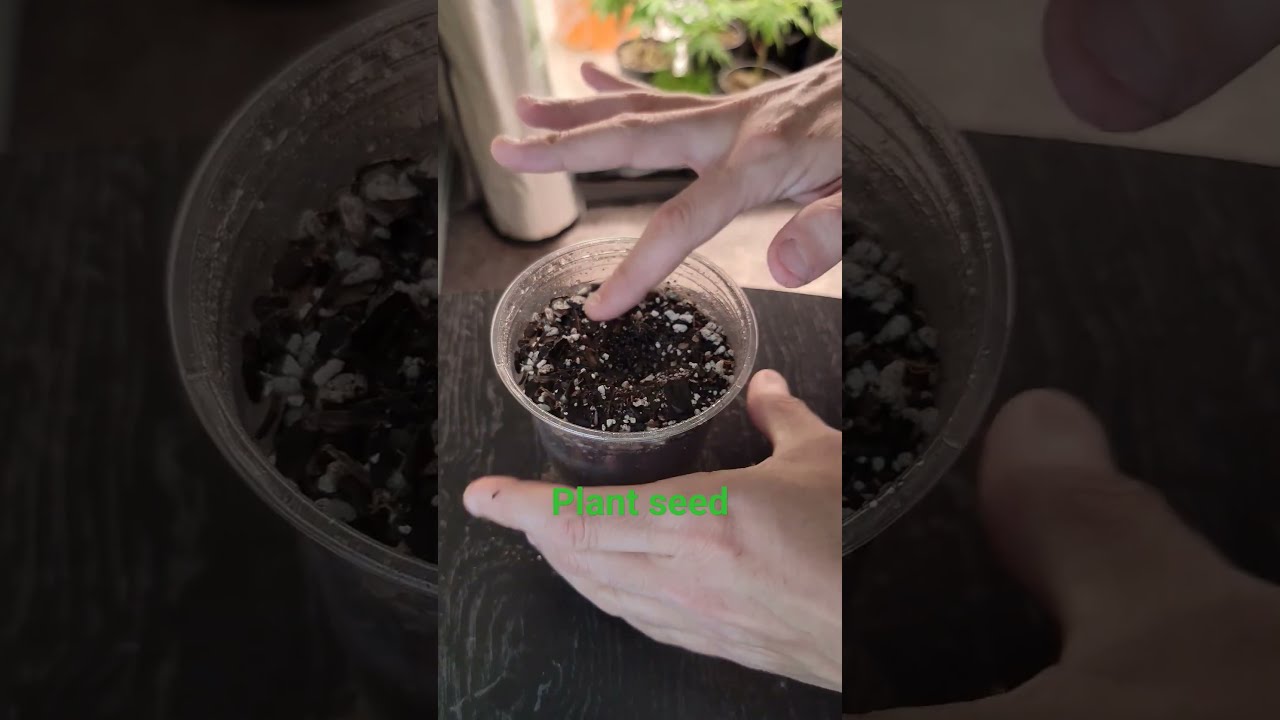
Prevention beats intervention. New clones or seeds should be quarantined, and soil, pots, and tools sanitized between cycles. Avoid bringing in outdoor plant material or allowing cooked soil to sit uncovered where flies can lay eggs. Maintain consistent humidity and temperature ranges appropriate for your strain. For many autoflowers, keep relative humidity in veg around 45 percent to 60 percent and lower it in bloom to 35 percent to 45 percent to discourage mold and reduce mite reproduction.
Rotate modes of action if you must use topical insecticides to slow resistance development. Alternate between botanical contact products and different active ingredients when labels allow. Resistance management is less often discussed in small-scale grows, but it matters: a mite population resistant to one pyrethrin-like product will expand quickly under repeated exposure.
Final thoughts on trade-offs and quality
Working with autoflowering cannabis is an exercise in trade-offs between speed and margin for error. Aggressive interventions erase pests quickly but can damage flavor and reduce trichome quality. Passive biological strategies protect taste but may not act fast enough when populations explode. Practical growers match the response to the crop stage: prevent early, act fast in early bloom, and prioritize residue-free choices late in flower.
Experience teaches that routine, disciplined scouting and quick small interventions prevent the large, messy decisions that follow full-blown infestations. A single afternoon spent inspecting plants once a week can save hours of remediation later and preserve both yield and the subtle aromatics that define a good autoflowering harvest.